

Trusted by:
University of Southern California
Warner Bros.
Volvo
Amazon
Stanford University
March 13, 2026
13 min read
Let us explain the badging meaning in detail, showing you examples across different industries. Learn why it matters in 2026 and what elements badges should include to carry the value.
Research with AI:
Badging meaning can sound vague at first. You may have seen the term used in education, HR, corporate training and other settings. But it does not mean exactly the same thing in every context.
In this article, we explain the meaning of badging, show what badges represent in different environments and share examples of how they are used. We also look at why badge verification is a key part of making a badge meaningful.
A little bonus at the end to make sure you understand the badge meaning fully–a quick tutorial on how to create a digital badge with Certifier.
TL;DR
Badging meaning is about issuing digital badges that show skills, achievements.
The meaning of badging may change by industry.
A trusted badge includes verification, issuer details and clear criteria.
Strong digital badging helps organizations make learning, work and contribution easier to recognize.

Badging meaning refers to the practice of issuing badges. It’s a process of awarding a credential that proves an individual has mastered a skill or achieved a milestone.
In 2026, this badging process usually happens online, which makes badges easier to issue and share.
While a traditional diploma provides a broad summary of years of study, a digital badge shines a light on granular achievements, such as mastering a specific coding language or completing a leadership intensive.
Badging gives the modern job market a clear view of an individual's actual capabilities.
Recommended to read
For a badge to have a meaning in a professional setting, it must contain three core elements, such as:

Strong visual–an icon that you see at first glance.
Metadata–hidden info that doesn’t show at first glance. Metadata tells a recruiter or employer exactly what the earner did to get it, who issued it and whether it is still valid.
Verification element–for instance, a link or a QR code that leads to a verification page.
Let’s decode a well-designed digital badge.
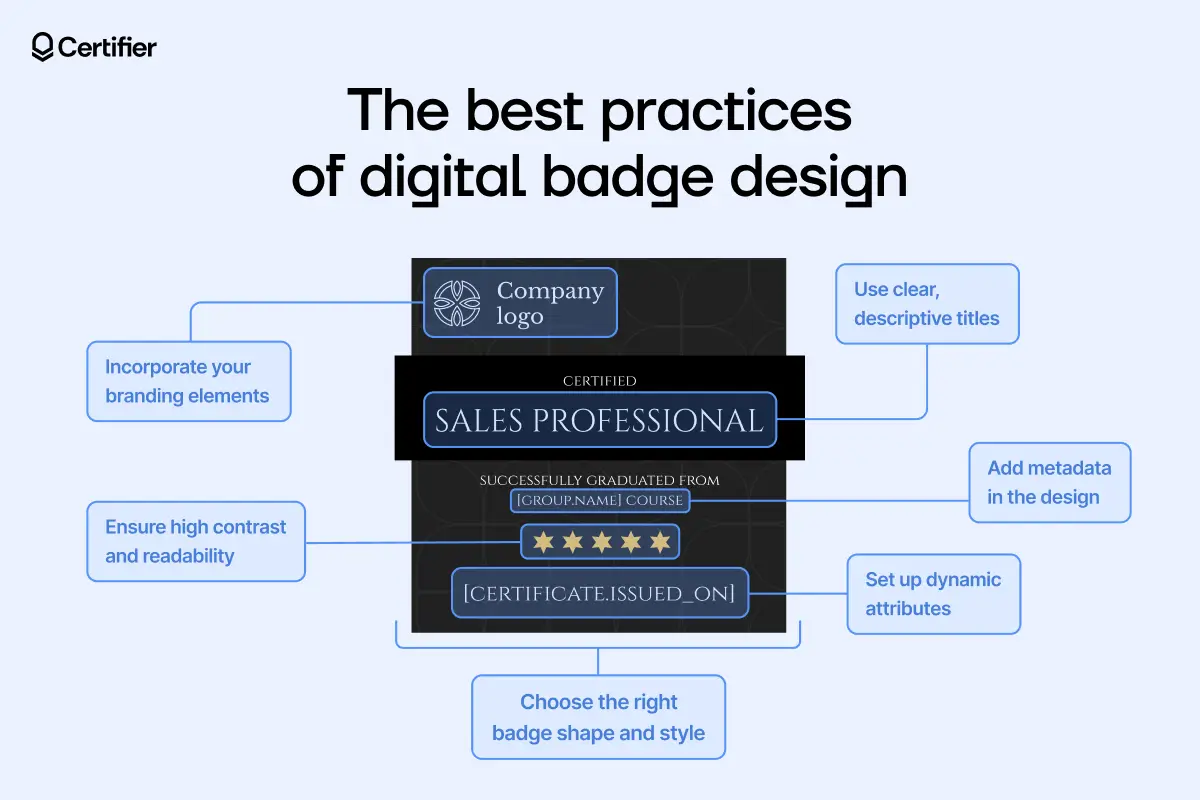
The meaning of badging might change slightly depending on the context. However, in every industry, a badge should answer one simple question: what did this person earn and why should anyone trust it?
A digital badge can represent learning, performance, membership, compliance, contribution or professional status–just to name a few. Learn more details about meaning of badging in various contexts.
We’ve provided you with editable badge templates you can adjust for free. Click the blue button right below them to be directed to the badge editor.
In schools and universities, badges may represent micro-credentials. For the student, a badge is a way to unbundle their degree.
Instead of waiting years for a single diploma, they earn proof of specific milestones that serve as stackable credentials, allowing them to demonstrate their expertise to employers long before graduation day.
Schools, universities and academies may issue badges for:

Course completion
Skill mastery
Attendance
Academic projects
Soft skills
Extracurricular achievements
Editable badge you can use in education:
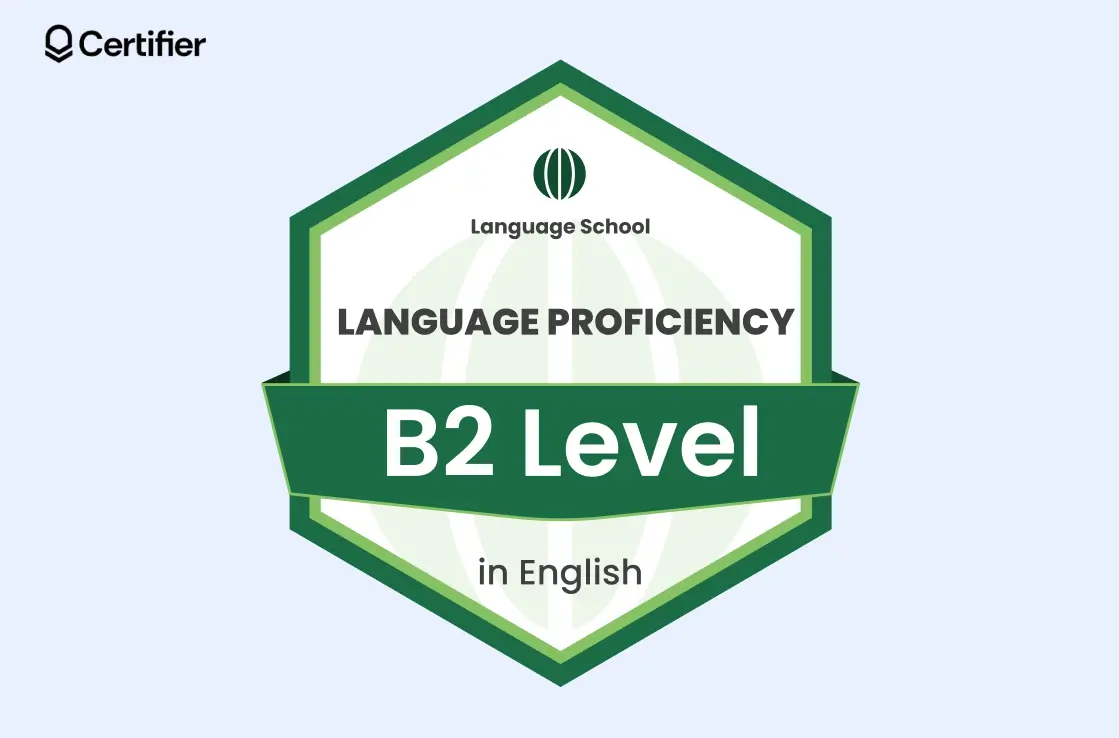
You can customize this editable digital badge template any way you like. Change the colors by pasting a hex code or selecting a shade from the color palette. Upload your logo to the top, then edit the text to match your brand or program.
Badges like this can also be used in online learning systems, where they are automatically sent to learners after they complete a course, training, or a milestone.
Certifier integrates with many platforms natively or you can connect them using tools like Zapier or Make. Read more about LMS badge workflows.
Badges turn invisible on-the-job learning into a portable asset. When an employee earns a badge, they build a digital resume.
Moreover, in the competitive world of online education, a digital badge acts as a powerful marketing engine. When a learner sees a high-quality, professional badge attached to your syllabus, the perceived value of the course immediately increases.
Companies often use badges for:
Onboarding
Compliance training
Leadership programs
Technical upskilling
Internal certifications
Employee recognition
Roles and responsibilities
Customizable badge used in corporate training:
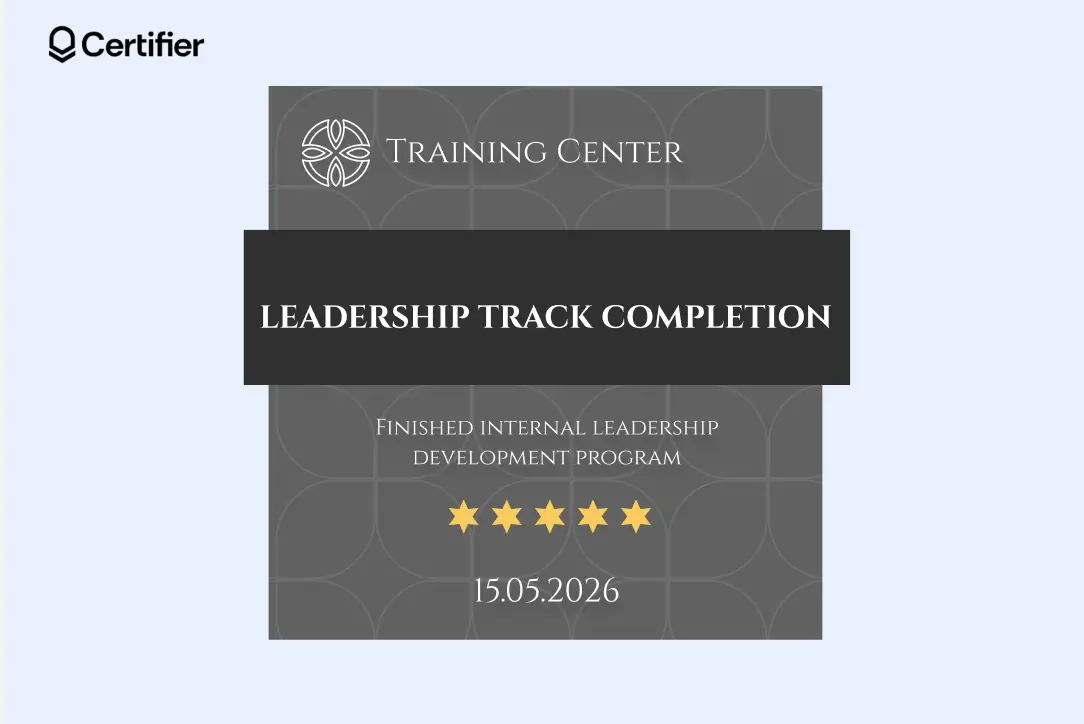
The badge template above is a fully dynamic canvas. You can relocate any element, remove or add sections (like the star ratings or date), depending on your criteria. Feel free to swap the branding by dropping in your own logo and adjusting the primary colors to match your organization.
But badging meaning is not limited to skills. Employees sometimes add badge to email signature to indicate their role in an organization.
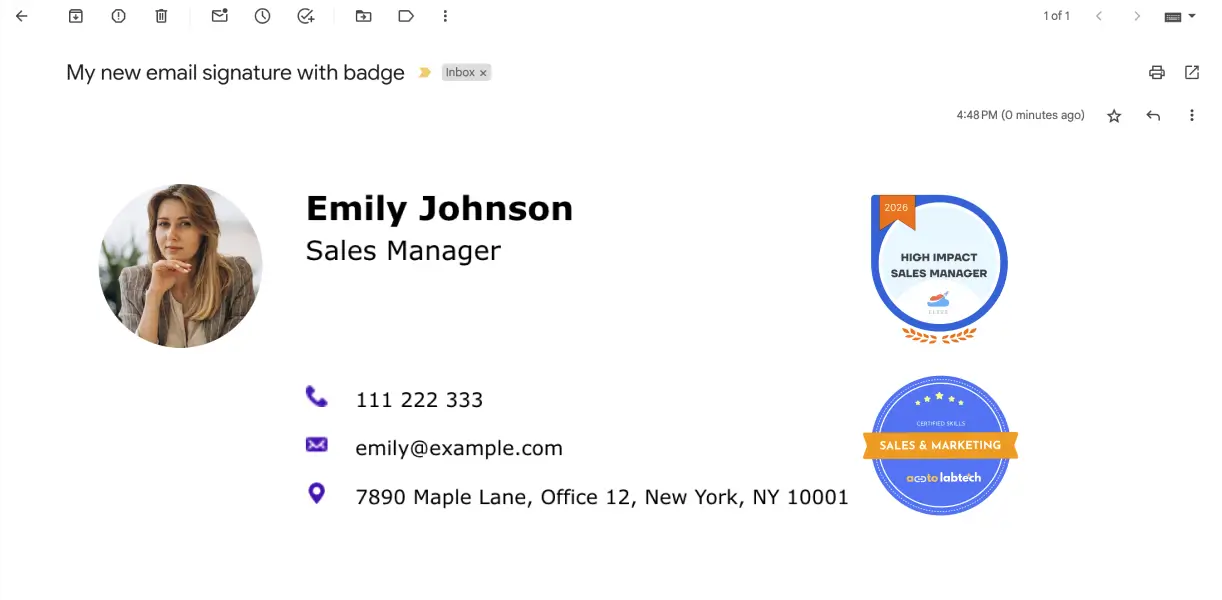
Digital badges added to the email signature section
In this industry, badging helps make course completion more visible and shareable. Instead of a simple completion message, the learner gets a credential that can communicate value to employers, clients, or partners.
These badges are often used for:
Online course completion
Cohort-based programs
Bootcamps
Workshops
Product training
Skill-based learning paths
Editable badge templates that can be used in courses:
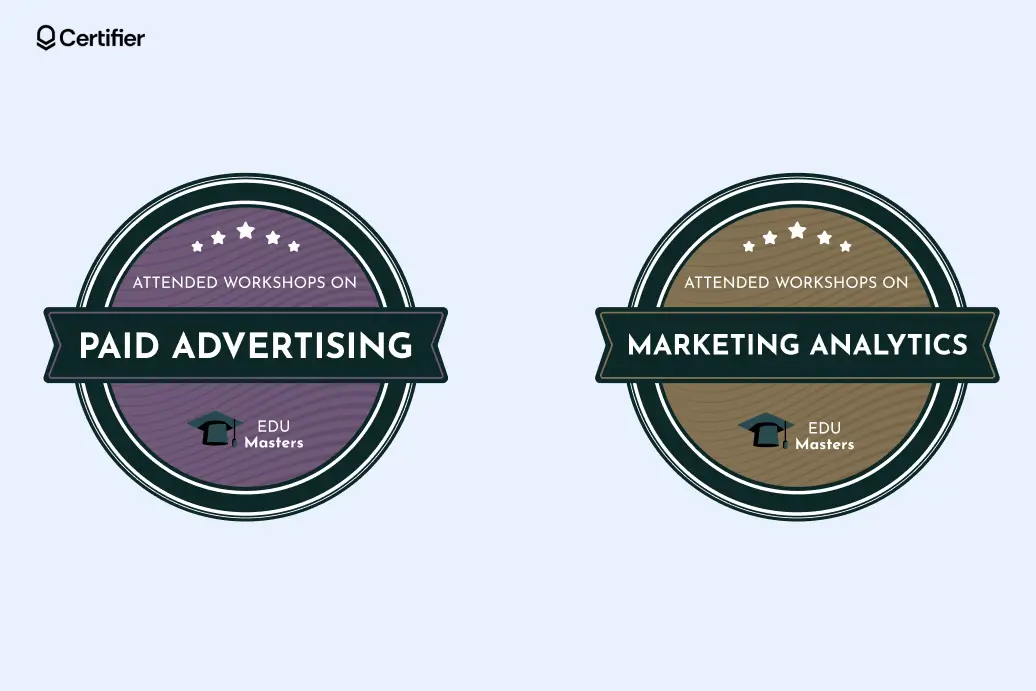
These badge templates are valuable for training providers and course creators because they make learning outcomes easier to see and understand.
Instead of giving learners a generic completion message, you can award a badge for a specific topic, such as paid advertising or marketing analytics.
For course creators, badges are most effective when used as building blocks of a broader professional journey. Through Certifier Pathways, they can organize individual badges into automated tracks that "stack" toward a final master designation.
For instance, once a student earns all three badges for building marketing skills, Certifier can automatically issue a marketing course credential. This structured approach provides learners with a clear roadmap and ensures their final certification is backed by verified, step–by–step milestones.
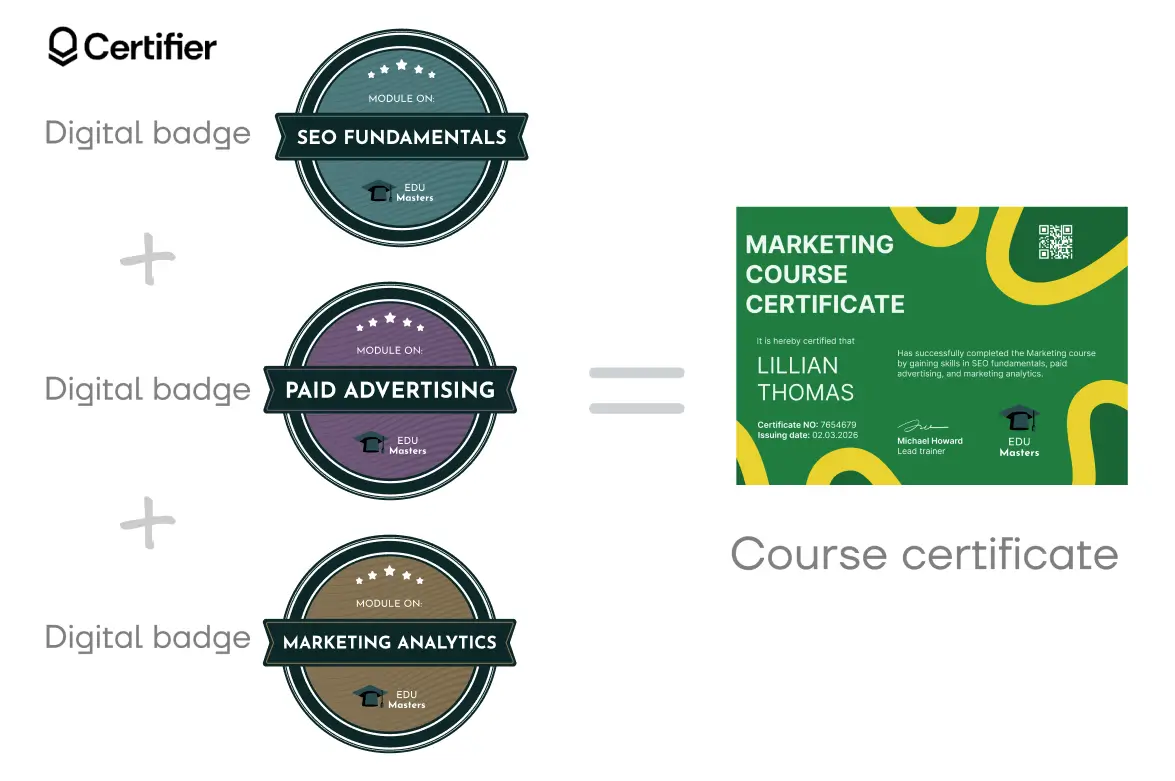
Skill badges building toward one larger course credential
Associations use digital badges to modernize the certification process. For the professional, these badges serve as proof of ongoing expertise. But that’s not all. Digital badges in professional environments can also carry the role.
Common examples include badges for:
Certified members
Continuing education completion
Specializations
Committee roles
Industry awards
Adjustable badge template used in professional associations:

A badge template like this is great for a professional association because the logo and brand colors make it more recognizable whenever the badge is shared on social media or embedded on a website.
That gives the badge more value over time and helps the association stay visible wherever members, sponsors, or partners show their achievements.
Learn more about real-life examples of digital badges. Take inspiration from them and adjust the editable designs.
In the nonprofit sector, badging is about impact and verified contribution. Badges provide a way to quantify volunteer hours or specialized training
Organizations may issue badges for:
Volunteer service
Advocacy training
Fundraising milestones
Community leadership
Program participation
Ambassador roles
Editable badge template that can be used in NPOs:
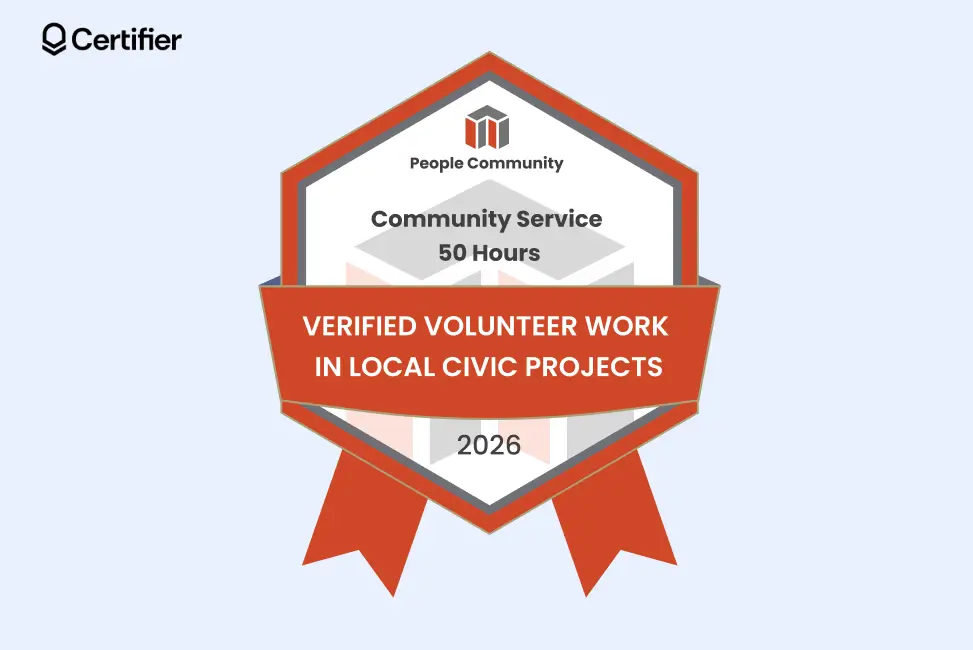
A badge template like this is a strong fit for nonprofits because it helps formalize recognition that is often informal.
It gives community organizations a way to acknowledge time and involvement in a format that feels structured and memorable.
Did you know that Certifier offers a 15% lifetime discount for all plans to non-profit organizations?
To understand badging meaning, you need to understand its idea holistically. Verification is one of the core aspects of digital badging in 2026.
In 2026, the meaning of a badge is defined by its compliance with the Open Badges 3.0 standard. This framework ensures that every badge is:
Verifiable–anyone can check the badge’s authenticity with one click.
Portable–earners can carry badges across different digital credential wallets and platforms.
Data-rich–it carries information about who issued it, what the earner did to get it and the evidence supporting the claim.
A trusted digital badge should not lose its meaning when it gets shared. Portable badge data helps the credential stay connected to the information behind it, so employers, schools and other reviewers can check what the badge actually represents.
Some badges should stay valid forever. Others should expire when the skill, license or requirement needs to be updated. Expiration, renewal and revocation help keep badge meaning accurate over time. They show whether the credential is still current and trustworthy.
How to make sure the badge you want to issue includes all these aspects? When using Certifier, you don’t worry about anything–the platform makes sure your badges are verifiable, data-rich and in compliance with Open Badges 3.0 standard.
Certifier is an online badge maker that defines a digital badge as a secure, data–rich asset. It moves organizations away from manual processes toward an automated badging process that scales with your growth.
To get the badging process meaning in depth, learn how these credentials are created. It includes a few simple steps:
Use a reliable badge platform. Make sure it’s a tool that lets you manage the whole badging process, from designing to sending and tracking badge performance. Certifier is the best choice! Sign up to start for free.
Create and Send Digital BadgesTake your digital badging to the next level with Certifier.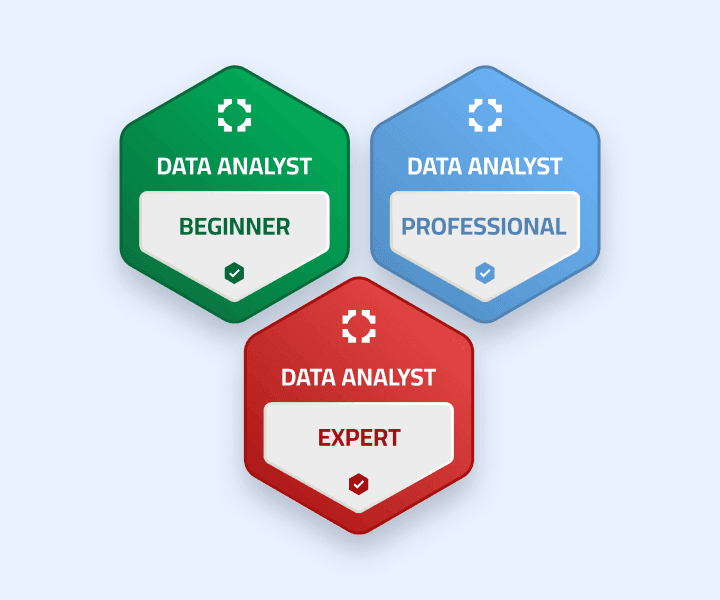
Not fully convinced? Compare Certifier with the 5 top badge platforms.
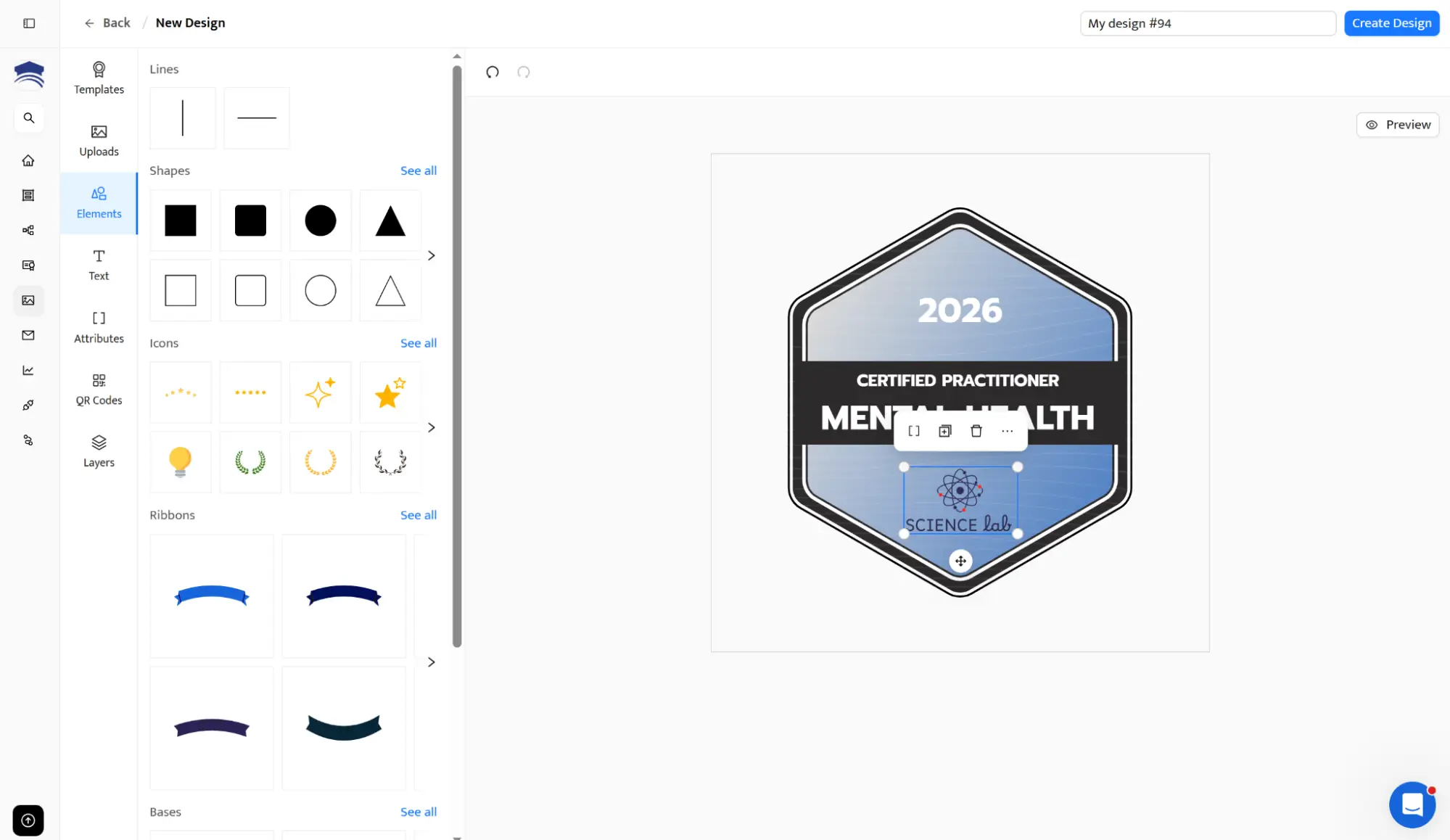
Design. Choose a badge template and use the built–in editor to tailor it with your content and branding elements like logo, custom fonts or background. If needed, add credential expiration date.
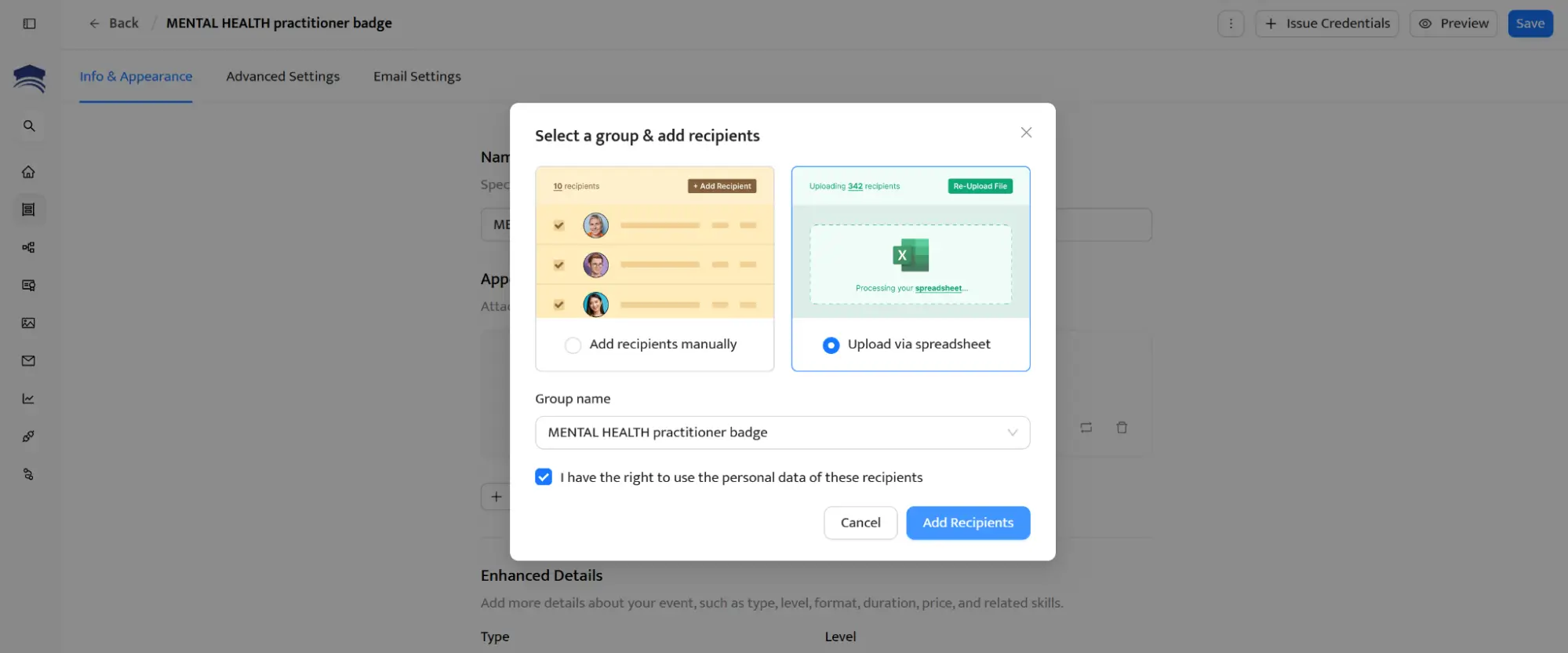
Issue. Upload your recipient list and generate personalized badges automatically.
Send badges in bulk via email. At Certifier, you first create an email template real quick. You drag and drop your logo, switch colors and tailor the wording. Use dynamic attributes (they work as placeholders for personalized info like the recipient's name, course group or others) to automate the process fully.

Manage. Track social shares and manage the expiration of your credentials.
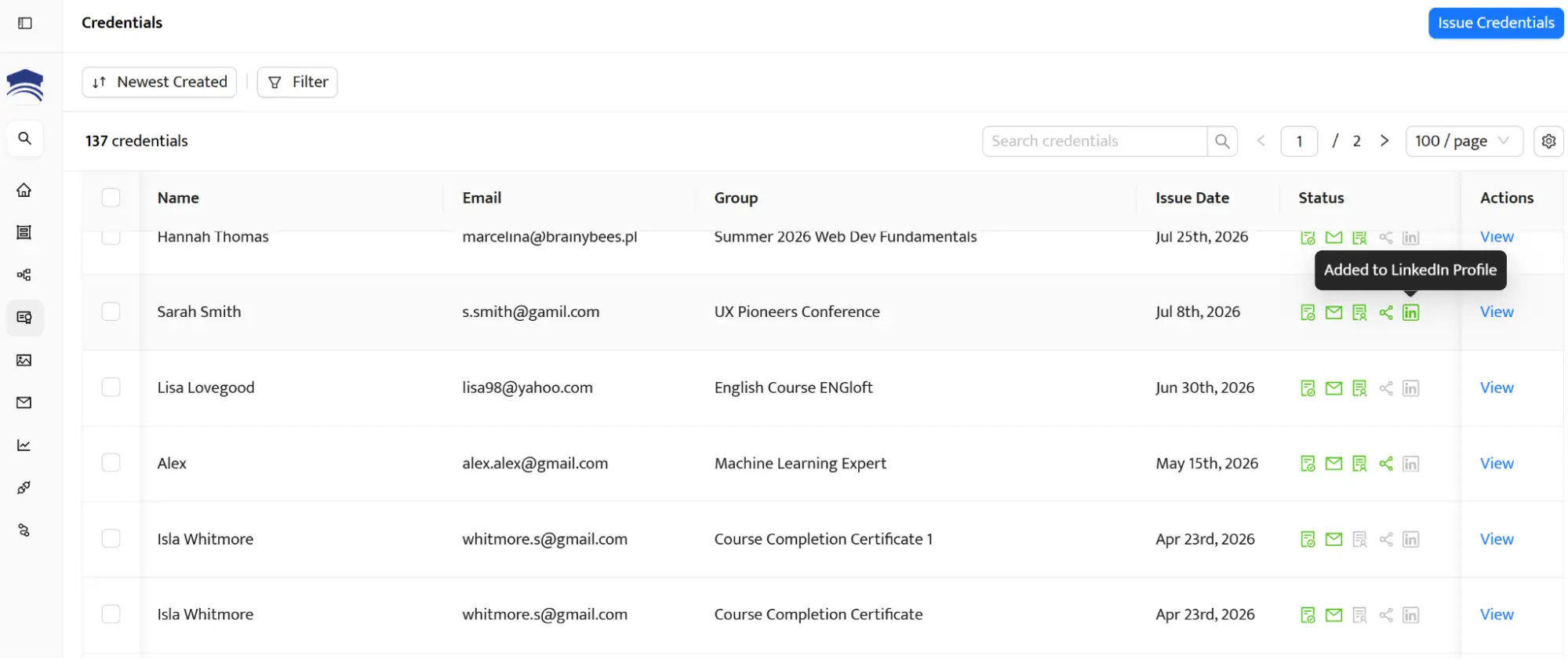
Optional, but recommended:
Encourage social media sharing. Once recipients receive their credentials, encourage them to add badges to LinkedIn and other social media platforms. This helps the credential reach employers, clients, peers and partners, while also increasing the visibility of your program or brand.
Let viewers verify the badge. Certifier supports one-click verification, issuer verification and UUID-based verification, so anyone checking the badge can confirm that it is valid.
Badging meaning is pretty simple–it’s tightly connected to the moment of issuing and delivering a badge to someone who gained a skill or finished a module or course.
The process of badging is mostly digital these days and this is where Certifier helps. With this tool, issuers create and issue digital badges that are verifiable and aligned to the newest standards. Sign up for Certifier and try it out yourself.
Read more about the badging process–its meaning, how to badge someone, badging ceremony and other frequently asked questions on the topic.

- SaaS Growth
- Digital Credentials
- APIs
- Product Marketing
- Company Operations
CEO and Co-Founder
Sergey is CEO and Co-Founder of Certifier, a Forbes 30 Under 30 honoree building digital credential infrastructure for 2,000+ organizations worldwide and shaping the future of credentialing.